Why Whispering AI Operates from Scottsdale, San Francisco, and Tokyo
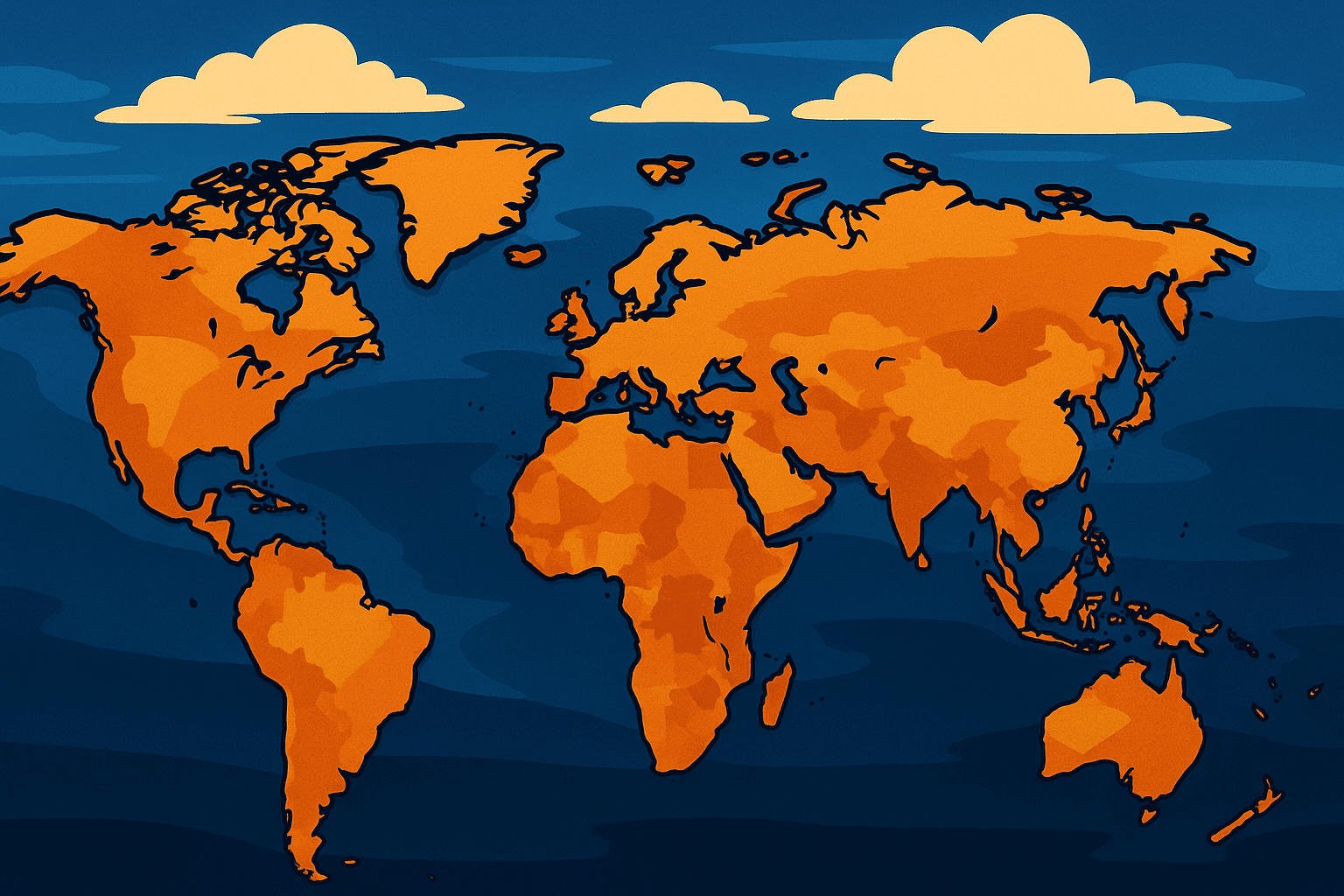
Most AI consultancies cluster in Silicon Valley or New York. We work from three cities across two continents, and there's a reason for each one.
The setup
Geography shapes how you think about problems. A consultancy that only knows one market will build solutions that only work in one market. We chose our locations based on relationships, not real estate trends.
Scottsdale: Where we started
Jack moved to Scottsdale in 2020, two years before founding Whispering AI. The timing wasn't strategic, it was personal. But when we incorporated in 2022, Scottsdale became our legal home base.
Arizona turned out to be better for business than expected. No state income tax. Reasonable operating costs. A growing tech scene that doesn't feel like everyone else's tech scene. We can focus on the work instead of the overhead.
More importantly, Scottsdale sits in a timezone that works for both coasts. We can take calls with San Francisco at 10 AM and New York at 2 PM without anyone staying up late.
San Francisco: Where the connections are
Jack spent most of his consulting career in San Francisco. Those relationships didn't disappear when he moved to Arizona, they became one of our biggest assets.
Silicon Valley still drives a lot of AI innovation, especially in the enterprise space. Our San Francisco connections help us stay close to that ecosystem. We partner with Valley firms on projects that need our kind of rapid prototyping and their kind of scale.
We maintain an active presence there, not because we need to be seen at every conference, but because some of our best work comes from relationships that started years before Whispering AI existed.
Tokyo: Where we learned to think differently
Japan represents long-standing business relationships that predate the company. In 2025, we completed two major projects there: one for a car manufacturer working on in-vehicle AI systems, and another for an anime studio building content generation tools.
Japanese clients approach AI differently than American ones. They want systems that integrate seamlessly with existing workflows, not systems that replace everything. That constraint makes us better at building tools that actually get used.
We're still pursuing opportunities in Japan because the market rewards precision over flashiness. That matches how we like to work.
The global perspective
Jack has worked in 15 countries over his career. That experience shows up in how we approach client problems. A solution that works in San Francisco might fail in Tokyo, not because the technology is different, but because the business culture is different.
We're actively looking to expand into other regions. Vietnam interests us because of its growing tech sector and manufacturing base. Africa represents opportunities in mobile-first AI applications that don't exist anywhere else.
We're also seeking partners in Europe. The regulatory environment there is shaping how AI gets deployed globally, and we want to understand those constraints firsthand.
Why location still matters in remote work
You can build software from anywhere, but you can't build relationships from anywhere. Each of our locations gives us access to different networks, different problems, and different ways of thinking about solutions.
Scottsdale keeps our costs reasonable and our focus sharp. San Francisco keeps us connected to the innovation pipeline. Tokyo keeps us honest about building tools that actually work in the real world.
The goal isn't to be everywhere, it's to be in the right places for the work we want to do.
If you're working on AI projects that need a global perspective, or if you're in one of our regions and want to explore what's possible, let's talk about what we might build together.